Episode Highlights
Each episode of the Gardner Institute's podcast features key insights and discussions that address current challenges and innovations in higher education. These highlights provide listeners with a quick overview of the topics covered and the expertise shared by guests.
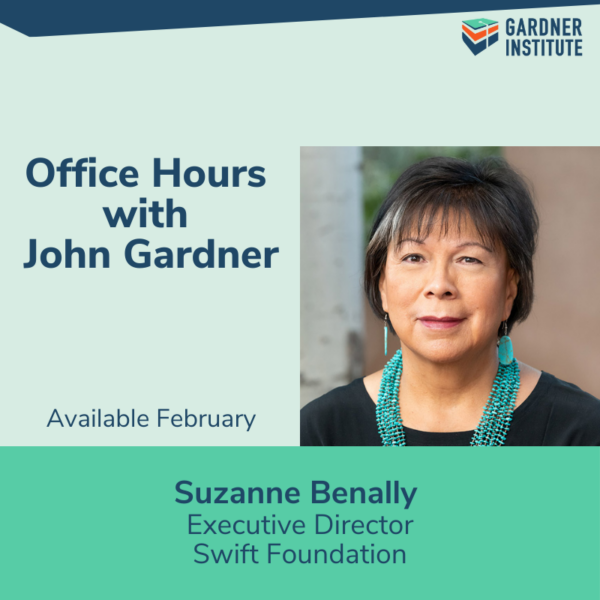
For instance, in Episode 173, Suzanne Benally shares her experiences in educational leadership, emphasizing the importance of learning from both successes and failures. Similarly, Episode 171 offers practical strategies for supporting graduate students, making it a must-listen for educators and administrators alike.
Featured Guests
The Gardner Institute's podcast series regularly invites a diverse range of guests who are experts in their fields. These guests bring unique perspectives and valuable knowledge to the discussions, enriching the content for listeners.
For example, Mays Imad, featured in Episode 172, discusses empowerment through education, while Duncan Harris, in Episode 167, explores the concepts of leadership and legacy in education. Their contributions not only highlight individual experiences but also reflect broader trends in the educational landscape.
Podcast Categories
The podcast episodes are organized into various categories to help listeners easily navigate topics of interest. This categorization enhances user experience by allowing individuals to find relevant content quickly.
Categories such as "Student Success," "Leadership," and "Online Education" ensure that listeners can delve into specific areas that resonate with their interests or professional needs. This structure also aids in query clustering, aligning with common search behaviors of users seeking information on higher education.
How to Subscribe
Subscribing to the Gardner Institute's podcast is a straightforward process that ensures you never miss an episode. By subscribing, listeners gain access to the latest discussions and insights delivered right to their preferred podcast platform.
Listeners can subscribe via popular platforms like Apple Podcasts, Spotify, or directly through the Gardner Institute's website. This accessibility allows for a seamless experience, making it easy for users to stay informed about the latest trends and discussions in higher education.